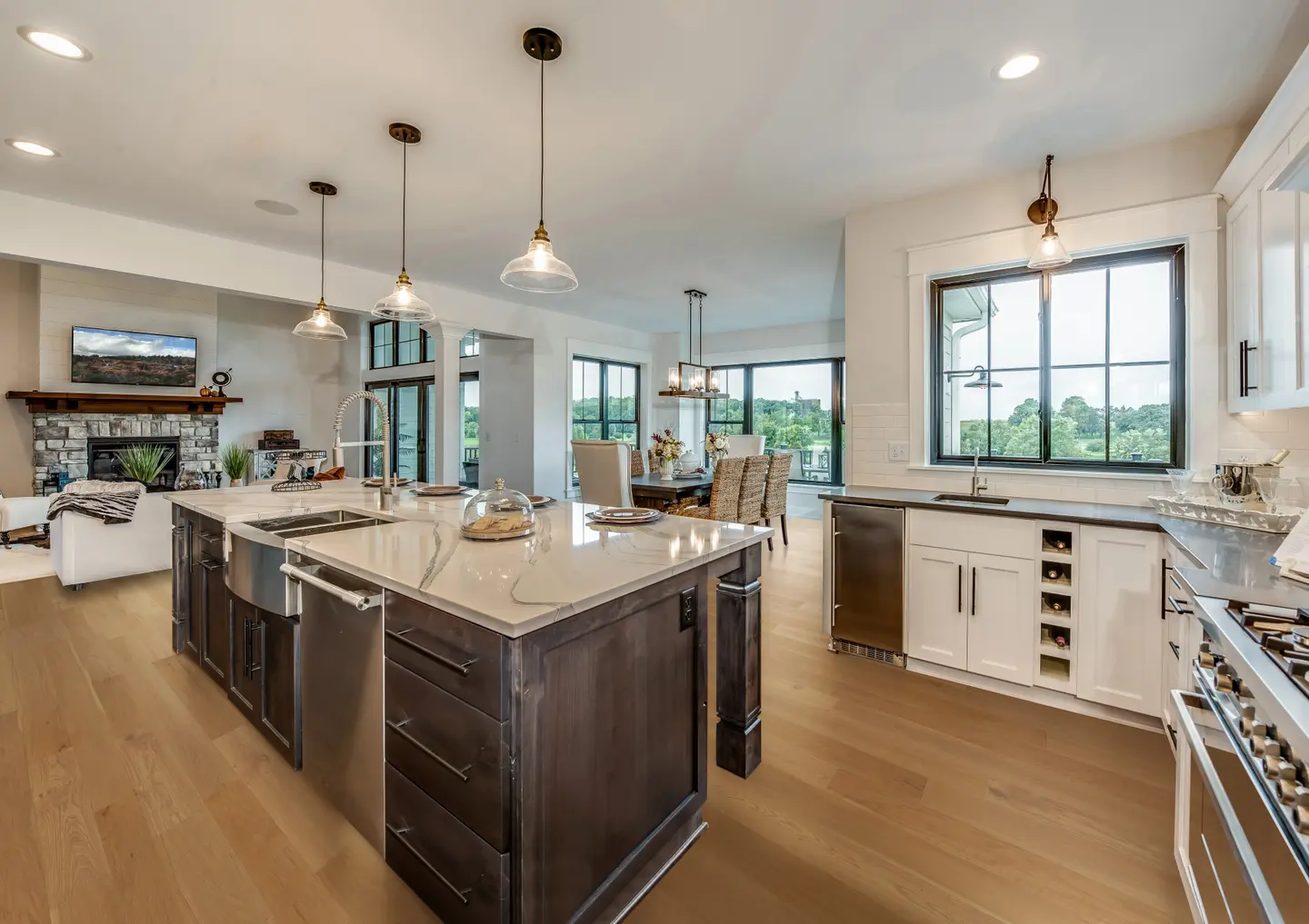
Did you know that refinishing your existing wood floors offers an estimated 147% return on investment? It is one of the highest-ROI interior projects available in 2026. Most homeowners look at scratched or dull timber and assume a full, expensive replacement is the only path forward. You might worry about the dust, the mess, or the fear of a contractor ruining your original boards. Working with hardwood floor restoration experts allows you to skip the stress and the massive cost of a total overhaul.
You can breathe new life into your home while saving thousands compared to new installation. This article shows you how to distinguish between simple refinishing and a complete restoration — and how that distinction protects your property's value. You'll also learn the exact technical standards to demand from your contractor, including the shift toward warm honey tones, matte finishes, and dustless sanding that defines the 2026 restoration standard in Orlando.
★ Key Takeaways
- Distinguish between a cosmetic surface refresh and a complete structural recovery — and why the wrong choice costs you money.
- Understand when your floors need board replacement and deep sanding versus a simple buff-and-coat.
- Compare the long-term equity of restored real wood against the cost of full replacement — the math strongly favors restoration.
- Screen contractors with specific technical requirements: HEPA dust containment, moisture metering, and modern finish chemistry.
- Discover how premium finishes create a "like-new" appearance that lasts, while boosting your home's appraisal value.
What Defines Hardwood Floor Restoration Experts?
Restoration goes beyond a simple coat of finish. It is the comprehensive recovery of both the aesthetic beauty and the structural integrity of your home's foundation. While a general flooring contractor might handle broad installations, true hardwood floor restoration experts focus on the complex science of timber. They understand that every wood species reacts differently to humidity, friction, and chemical treatments. In Orlando's subtropical climate — where indoor humidity can swing dramatically with the seasons — this species-specific knowledge is the difference between a floor that lasts another 30 years and one that warps within 18 months of being refinished.
Professional restoration requires precision instruments that generalists often overlook. Experts use moisture meters to verify that the wood is stable before any product is applied. This prevents warping or finish failure after the project is complete. The 2026 standard for excellence also includes a commitment to air quality. Experts prioritize low-VOC, eco-friendly finishes that protect your family's health without sacrificing the durable shield your floors need.
The Scope of Professional Restoration
A professional approach involves far more than simply removing the top surfaces of the wood. It is a detailed diagnostic process. Experts address deep gouges, stubborn water stains, and structural gaps that compromise the floor's stability. Identifying the specific timber species is a critical first step — it ensures that any replacement boards match the unique grain and density of the original installation. Mismatched boards are one of the most common failures of amateur restoration attempts, and they cannot be corrected without full replacement of the patched sections.
Cleanliness is another hallmark of the true expert. Dustless sanding technology is a non-negotiable standard for high-end projects in 2026. These systems use commercial-grade HEPA-filtered vacuums that capture 99% of wood dust at the source. This keeps your home's HVAC system clean and protects your family from the airborne irritants that traditional open-drum sanders release into every room of the house.
Why Expertise Trumps DIY in Restoration
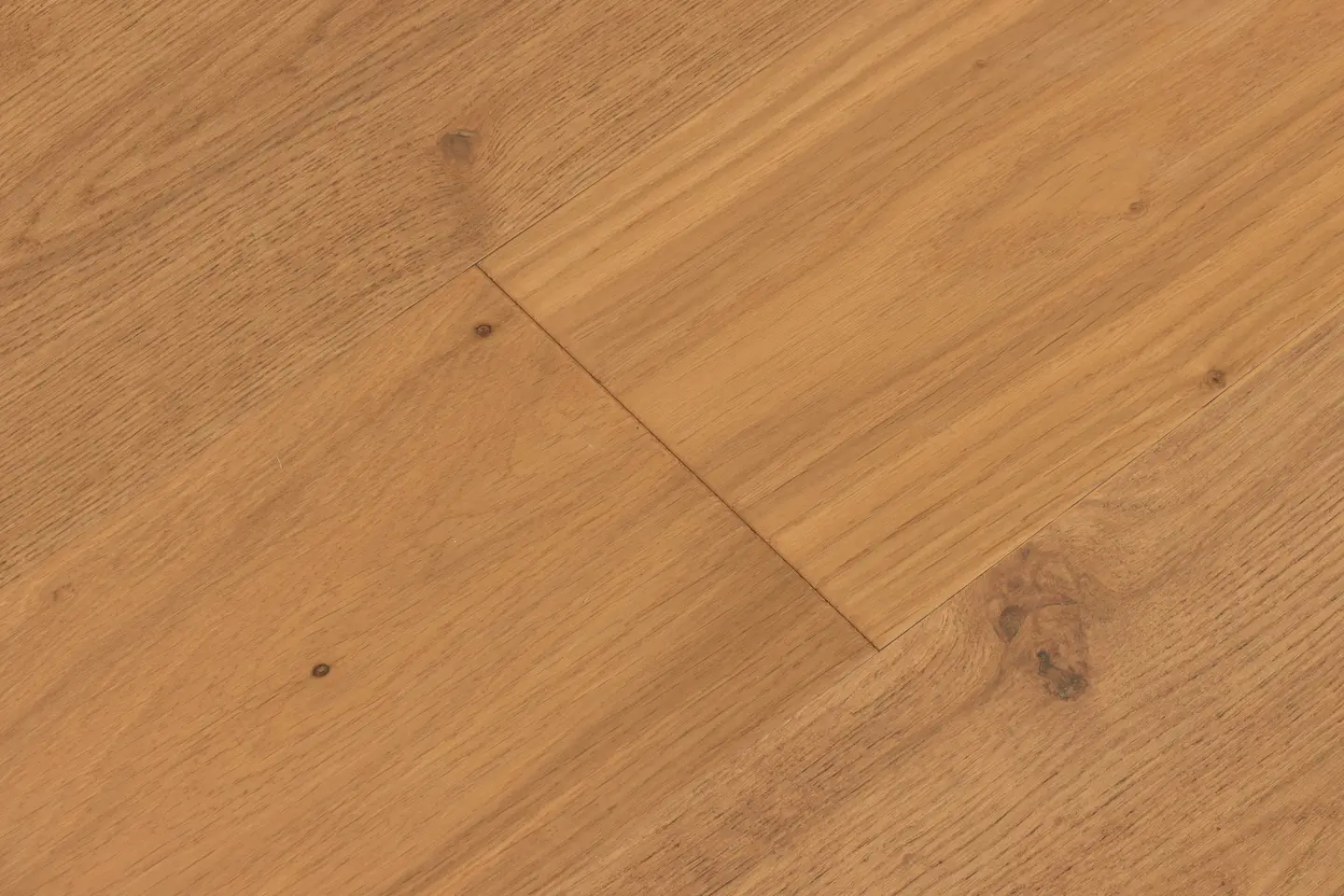
Attempting a DIY restoration often leads to "over-sanding." This occurs when an inexperienced operator removes too much material, permanently destroying the wear layer of the timber. Once this layer is gone, the floor cannot be saved again. Hardwood floor restoration experts understand the delicate balance required to preserve the wood's thickness while eliminating imperfections. They also manage the chemical bond between aged wood fibers and modern finishes — ensuring the new seal adheres perfectly and preventing the peeling or clouding that ruins so many amateur projects.
Restoration vs. Refinishing: Choosing the Right Path
Homeowners often use the terms "restoration" and "refinishing" interchangeably, but they represent very different levels of care — and very different price points. Refinishing is a cosmetic surface update: essentially a "buff and coat" that restores shine without heavy sanding. Hardwood floor restoration experts recommend full restoration when the floor needs more than a new top layer — when structural repairs, board replacements, or deep sanding back to raw wood are required.
To help you decide, try the 3-Second Scratch Test. Find a scratch in a high-traffic area and run your fingernail across it. If you feel a slight groove but the wood color remains consistent, the damage is likely only in the finish — refinishing may be sufficient. If the scratch has changed the color of the wood or feels deep and jagged, the wood fibers are exposed. This usually means simple refinishing won't solve the problem. You need a deeper approach to protect the wood from ongoing moisture and rot.
When Refinishing Is Enough
Refinishing is the right choice when your floors look dull or "cloudy" but remain structurally sound. Most experts suggest a maintenance coat every 3 to 5 years to keep the protective seal intact. This timeline prevents the finish from wearing through to the bare wood and saves you from the higher costs of a full restoration later. If your floor only has surface-level scuffs from pets or light furniture movement, a quick refinish will restore the "like-new" glow without the cost or disruption of heavy sanding. Our hardwood services include a free assessment to determine exactly which path is right for your floor.
Signs Your Floors Require Full Restoration
Sometimes the damage goes too deep for a surface fix. Look for gray or black discoloration in the wood — this often indicates water damage or complete finish failure where moisture has penetrated the grain. Deep scratches that bypass the finish, structural cupping or crowning, large gaps between boards, or significant "bounce" when walking across the floor are all red flags that require the attention of hardwood floor restoration experts before any finish is applied. Applying a new coat over structurally compromised timber only traps the problem beneath the surface.
The ROI of Restoring vs. Replacing Your Hardwood
Deciding between restoring your existing floors and installing new ones is a major financial calculation — and the math consistently favors restoration. Choosing restoration isn't just about saving money today; it's about maximizing the equity in your property. Hardwood floor restoration experts can often revitalize boards that look beyond hope, preserving the high-grade timber originally installed in your home. New, high-quality hardwood installation requires a significant investment in both labor and materials, plus the cost of demolition and disposal. Restoration avoids all three while delivering a "like-new" finish.
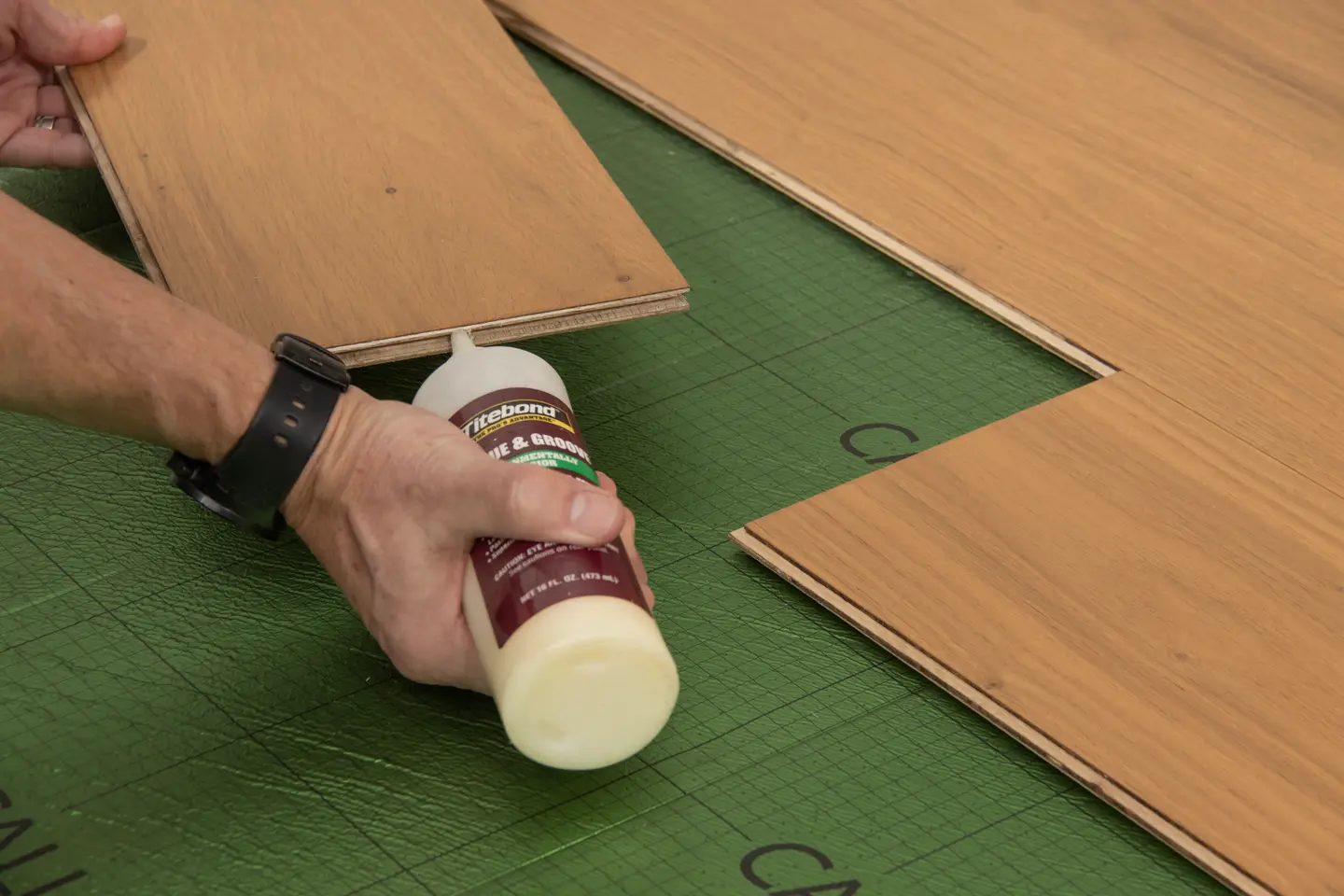
Financial Breakdown: Restoration vs. New Flooring
You'll generally save thousands by working with professionals to sand and seal your current boards. The hardwood floor refinishing cost is a fraction of what you'd pay for a full replacement. This makes it one of the most cost-effective ways to dramatically update your interior. Hardwood floor restoration experts focus on structural integrity, ensuring that your one-time investment lasts for decades. You get the premium look of new wood without the premium price tag. In Orlando, where construction costs have risen sharply since 2023, this financial advantage has only grown larger.
Equity and Market Appeal
Real estate agents consistently highlight "original hardwood" in listing descriptions — it is a major selling point that attracts serious buyers and higher offers. Research shows that 54% of homebuyers are willing to pay more for a home featuring hardwood floors. While modern "wood-look" tiles and laminates are popular, they lack the luxury perception of genuine timber. Restoring your floors preserves the unique character and history of your home. A beautifully restored floor can increase your home's resale value by 2% to 5% compared to houses with worn or non-wood flooring — a strategic move that delivers both immediate beauty and long-term financial gain.
Longevity is the strongest argument for preservation. Solid hardwood floors can last over 100 years if maintained properly. In contrast, even premium synthetic options like luxury vinyl plank typically have a lifespan of 20 to 25 years. When you choose restoration, you're investing in a legacy material that pays dividends for generations.
How to Evaluate Hardwood Floor Restoration Experts
Finding the right hardwood floor restoration experts requires more than a quick online search. You need a partner who understands the technical nuances of timber. Start by verifying their equipment. A professional team always uses HEPA-filtered dust containment systems — not just for cleanliness, but because fine particles settling into wet finish can ruin the entire surface appearance. If a contractor arrives with a standard shop-vac, they are not equipped for a high-quality restoration.
Ask about their finish options. While oil-based finishes offer a traditional amber glow, modern water-based and UV-cured options provide superior durability with lower VOC levels and faster cure times. If a contractor cannot explain the chemistry of these choices, they likely aren't a true specialist. Also review their portfolio for your specific wood species. Sanding Maple is vastly different from sanding Red Oak — you want to see evidence that they have handled the unique grain patterns and densities of your specific floor before.
Critical Questions for Your Restoration Contractor
A professional should have clear answers for these questions before you sign anything:
- Do you take moisture readings before, during, and after the project? Wood is a living material. Experts check moisture levels throughout to prevent cupping or crowning issues.
- How do you handle stain-matching on replacement boards? They should create custom samples on your actual floor — not rely on a generic color chart from a brochure.
- What does your post-restoration maintenance plan include? True experts provide written guidance on cleaning products, re-coat schedules, and humidity management.
- Are you licensed, insured, and certified? Look for National Wood Flooring Association (NWFA) certification as a baseline of professional competence.
- How do you handle transitions? Where hardwood meets tile, vinyl, or laminate, precision transitions are essential. Ask to see examples.
Red Flags to Avoid
Be wary of contractors who don't use dust containment systems — the mess they leave is more than an inconvenience; it's a sign of outdated practices. Avoid unusually low bids, which typically mean the contractor is skipping the critical acclimation phase or using inferior finishes with short lifespans. Another red flag: insisting that oil-based is the only "tough" finish option. This reflects a significant knowledge gap regarding the substantial advancements in water-based and UV-cured hardwood finishes that have occurred since 2020.
Cavalieri Flooring: Premium Hardwood Restoration in Orlando
At Cavalieri Flooring, we represent the essential bridge between time-honored craftsmanship and 2026 technology. We understand that your home is your most significant investment. As hardwood floor restoration experts, we treat every plank with the respect it deserves. Our team combines decades of hands-on experience with the latest advancements in wood science to deliver results that general contractors simply cannot match.
Our commitment to quality begins with the Cavalieri Method: a proprietary approach to site preparation and dust control. Before the first sander touches your floor, we meticulously seal off your living space and connect commercial-grade HEPA-filtered vacuum systems directly to the sanding equipment. We don't just work in your home — we protect it. Our team handles every detail with precision, from the initial grit selection and moisture baseline to the final buffing pass and finish cure confirmation.
Our unique perspective comes from mastery in both professional hardwood installation and restoration. This comprehensive background allows us to diagnose structural issues that specialists focused only on refinishing might overlook. We prioritize finishes that stand up to the realities of active Orlando families — with active pets, young children, and Florida humidity — without sacrificing the warm, natural character that makes hardwood irreplaceable.
Visit our showroom at 4301 36th St #101, Orlando, FL 32811, call (321) 424-0546, or request a free estimate online. Open Monday–Friday, 7:00 AM–5:00 PM & Saturday, 9:00 AM–3:00 PM.
Frequently Asked Questions
How long does the hardwood floor restoration process typically take?
A standard restoration project takes between 3 to 5 days. The exact timeline depends on total square footage and the finish you choose. Water-based finishes dry quickly, allowing multiple coats in a single day, while oil-based products require longer wait times between applications. Your contractor will provide a specific schedule based on your home's humidity and airflow conditions at the time of the project.
Is hardwood floor restoration really dust-free?
Modern restoration is remarkably clean thanks to advanced containment systems. Hardwood floor restoration experts use commercial-grade HEPA-filtered vacuums connected directly to the sanding equipment, capturing approximately 99% of wood dust before it enters your air vents or settles on furniture. While no process is 100% dust-free, this technology eliminates the heavy cleanup associated with traditional open-drum sanding methods.
Can I change the color of my hardwood floors during restoration?
Yes — you can completely transform your floor's appearance by choosing a new stain. Because restoration involves sanding the wood back to its raw state, you start with a blank canvas. You can transition from dark, dated tones to the modern warm honey or light oak finishes that are trending in 2026. Our experts apply multiple stain samples directly to your sanded floor so you can evaluate the color in your home's actual lighting before we commit to the full application.
Is it better to restore or replace damaged hardwood floors?
Restoration is almost always the better choice if your floors have enough wear layer remaining. It is more cost-effective, preserves the high-quality timber originally installed in your home, and maintains the real estate premium that genuine hardwood commands. Only consider replacement when: the wood is too thin for another sanding, structural rot has compromised the entire foundation, or the floor was originally lower-grade material that won't look significantly improved after restoration. Schedule a free assessment and we'll give you an honest verdict.
How long do I have to stay off my floors after restoration?
You can typically walk on your floors in socks 24 hours after the final coat is applied. Wait at least 48 to 72 hours before allowing pets or wearing shoes. Furniture can usually be moved back after 3 days, but wait 7 to 14 days for the finish to fully cure before replacing area rugs or using damp mop cleaning methods. These timelines vary slightly with humidity — Orlando summers may extend cure times slightly due to ambient moisture levels.
What is the difference between water-based and oil-based floor finishes?
Water-based finishes dry clear, have very low odor, and are eco-friendly with low VOC levels. They don't yellow over time, making them ideal for light-colored wood. Oil-based finishes provide a traditional amber glow that many homeowners love on Red Oak and Pine, but they emit stronger fumes and take much longer to dry. In 2026, most hardwood floor restoration experts recommend high-quality water-based finishes for their superior durability per coat, faster turnaround, and compatibility with families who need to return to the space quickly.
Can engineered hardwood floors be restored?
Engineered floors can be restored if the top real-wood veneer layer is thick enough. Most high-quality engineered products have a wear layer of 3mm or more, allowing at least one or two professional sandings. A specialist will measure your veneer thickness before proceeding to ensure the process won't damage the underlying plywood core. If the layer is too thin, a "screen and recoat" — which scuffs only the existing finish, not the wood — may be the safer and equally effective alternative. Explore our hardwood collection if your floors ultimately need replacement.
How do I maintain my floors after a professional restoration?
Sweep or vacuum regularly to remove the abrasive grit that slowly erodes your finish. Use a microfiber mop and a pH-neutral cleaner specifically formulated for hardwood finishes — never generic floor cleaners that can strip the protective seal. Avoid steam mops entirely, as the concentrated heat and moisture can damage wood fibers and cloud the finish permanently. Place felt pads under all furniture legs, use entrance rugs in high-traffic areas, and plan for a maintenance re-coat every 3 to 5 years to keep the protection intact.
Ready to Restore Your Hardwood Floors in Orlando?
Get a free assessment from Cavalieri Flooring's restoration experts. We serve all Central Florida neighborhoods with HEPA dustless sanding and premium finishes.
Or call us now: (321) 424-0546
Related Articles & Resources
Don't Replace What You Can Restore
Worn, scratched hardwood is not a reason to spend tens of thousands on new flooring. With the right hardwood floor restoration experts, your original timber can be returned to its peak beauty — and its full real estate value — in as little as 3 to 5 days.
At Cavalieri Flooring, we combine HEPA dustless sanding, species-specific finishing expertise, and full moisture management into a restoration process that rivals the appearance of brand-new installation at a fraction of the cost.
Schedule Free Hardwood Assessment